Early Childhood Instruction: Constructing a Solid Foundation for Enduring Progress
Early childhood education plays a pivotal role in crafting a child's outlook. It provides the cornerstone for principal analytical, communal, and sentimental abilities. Research shows that premium early education can lead to better learning success and personal development. However, the nuances of effective programs and the sway of community participation bring up pressing questions. Which factors really create an impact in a child's early educational experience? The findings may astound numerous people.
The Significance of Early Childhood Education in Growth
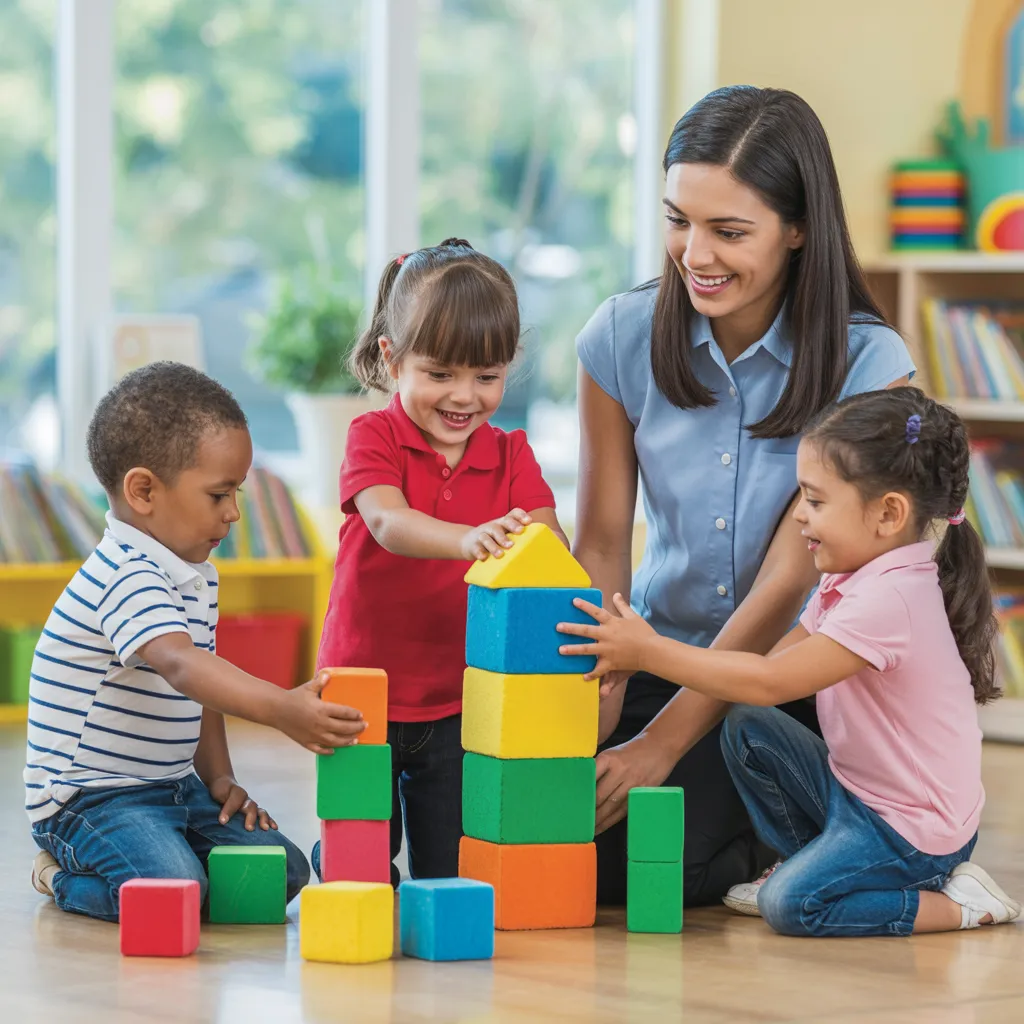
Early childhood schooling serves as an essential role in a child's overall development, as it creates the base for lifelong learning and social skills. During these formative years, children are exposed to organized spaces that encourage exploration and wonder. This exposure boosts intellectual development, allowing children to develop ideas and address challenges. In addition, early education presents children to multiple perspectives, promoting creativity and analytical reasoning.
Early childhood education furnishes chances for interaction with colleagues and supervisors, which is critical for strengthening quality communication skills and emotional intelligence. Children start learning to navigate interpersonal connections, understand social norms, and cultivate empathy. Additionally, taking part in communal tasks imparts cooperation and dispute management, vital instruments for future social connections. The importance of early childhood education should not be minimized, as it prepares children not only academically but also grants them the required competencies to flourish in assorted social contexts during their lifetime.
Fundamental Capabilities Created in Early Childhood Facilities
In early learning environments, children acquire essential skills that influence their future interactions and emotional well-being. Interpersonal abilities foster collaboration and dialogue, while analytical reasoning development supports problem-solving capabilities. Furthermore, feelings management methods help children control their feelings effectively, establishing the groundwork for mental strength.
Social Communication Abilities
Within early learning environments, social interaction skills develop as children interact with peers and educators in various activities. These interactions are essential for developing crucial communication skills such as sharing, listening, and taking turns. Through collaborative play and group projects, children learn to communicate their thoughts and emotions effectively while also gaining empathy and understanding of diverse perspectives. Teachers facilitate these interactions by modeling appropriate social behaviors and offering structured opportunities for teamwork. As children navigate friendships and resolve conflicts, they build resilience and adaptability, preparing them for future social situations. Ultimately, strong social interaction skills build a sense of belonging and community, acting as a foundational element for lifelong interpersonal relationships.
Strengthening Critical Thinking Competence
Developing critical thinking skills in foundational education settings lays the foundation for children's cognitive growth. Interactive tasks, such as problem-solving tasks and open-ended inquiries, encourage young learners to examine data and evaluate various perspectives. Through discovery and experimentation, children learn to ask inquiries, form predictions, and validate their concepts, fostering a feeling of curiosity. Additionally, group-based projects encourage dialogue and reasoning, enabling children to articulate their thoughts and challenge their assumptions. Teachers play a crucial part by establishing an atmosphere that prioritizes investigation and encourages self-directed education. By incorporating analytical reasoning into everyday activities, early education initiatives enable children to become skilled decision-makers, establishing the stage for educational success and continuous learning.
Techniques for Emotional Modulation
Many early childhood education programs embed emotional management techniques to help children navigate their feelings and interactions. These techniques often comprise mindfulness practices, such as deep breathing exercises, which teach children to pause and reflect before reacting. Additionally, educators encourage the use of "feelings charts," enabling children to articulate and identify their emotions in a purposeful manner. Role-playing scenarios are also employed, allowing children to practice appropriate responses to various emotional situations. By fostering these skills, early learning environments promote resilience and empathy, essential for social development. Ultimately, the integration of emotional regulation techniques equips children with the tools to handle their emotions effectively, laying a foundation for healthier relationships and improved mental well-being throughout life.
The Results of Premium Early Education on Future Success
Quality preschool experiences build a robust foundation for future achievement, influencing children's cognitive, social, and emotional growth. Research demonstrates that children who take part in high-quality preschool programs display enhanced academic performance and higher school readiness. These initiatives encourage critical thinking skills, boost language acquisition, and support problem-solving abilities, all crucial for lifelong education.
Moreover, high-quality early learning develops social skills, promoting teamwork and dialogue among peers. Children learn to navigate relationships, which contributes to psychological strength and successful dispute management. The benefits extend beyond individual achievement; communities with strong early learning programs enjoy reduced criminal activity and increased economic output.
Backing excellent early education not only grants children with essential skills but also initiates a spreading influence that promotes societal prosperity. Therefore, stressing early childhood education turns out to be crucial, ensuring that future generations are ready to prosper in an increasingly challenging world.
How Play Enhances Early Childhood Education
Playing is an crucial feature of early childhood instruction, acting as a instrument for multiple kinds of pursuits that promote learning. By refer to this page taking part in play, children develop intellectual abilities and boost their communication abilities, developing important capacities for future engagements. Understanding the importance of play in early development can highlight its significance in developing well-rounded individuals.
Kinds Of Play Activities
Participating in various types of play activities greatly enriches early childhood education. These programs can be divided into several types, each providing unique benefits.
Creative play gives youth the capacity to investigate their creative potential and enhance problem-solving skills by portraying multiple situations. Constructive activities that consist of building and assembling, refines fine motor skills and spatial awareness. Gross motor development is promoted through physical activities while also encouraging social engagement, developing cooperation and verbal skills.
Games with rules introduce children to ideas of justice and collaboration, assisting them learn to navigate social dynamics. Finally, hands-on play involves children through tactile experiences, stimulating their senses and enhancing brain development. Each type of play activity is essential in building a dynamic learning environment, setting the stage for holistic development in early childhood education.
Cognitive Growth Through Recreational Activity
By means of various types of play activities, children naturally improve their cognitive development. Participating in creative play, for instance, allows children to investigate analytical abilities and creativity. As they work through different scenarios, they develop the ability to analyze carefully and choose wisely. Puzzles and building blocks promote analytical thinking and understanding of space, fostering numeracy abilities. Additionally, dramatic play supports language development as children articulate thoughts and work out character parts. Sensory play, involving materials like sand or water, activates exploration and inquiry, enhancing their understanding of the world. Each of these types of play contributes uniquely to mental development, laying a foundation for educational achievement. Consequently, play serves not only as a source of joy but also as a vital means for cognitive development in early childhood education.
Social Skills Building
Children inherently develop social skills during collaborative play activities. Through engaging in group games and imaginative play, they learn essential skills like sharing, turn-taking, and effective communication. These interactions foster empathy, as children navigate differing viewpoints and negotiate conflicts. Furthermore, play offers a safe environment for them to practice problem-solving, improving their ability to cooperate with peers. As they engage in shared tasks, children develop trust and build friendships, which are critical for emotional and social well-being. This foundation not only supports immediate social interactions but also prepares them for future relationships in school and beyond. Overall, play serves as an important tool for enhancing social skills, establishing a strong groundwork for lifelong social competence.
How to Select the Perfect Preschool Option?
Picking an ideal educational option can prove tough for caregivers. Multiple elements must be taken into account to guarantee an perfect match for a kid's requirements. To start, guardians should evaluate the program structure, looking for programs that highlight play-based learning and developmental milestones. Examining classroom dynamics can provide perspective into how educators work with children and foster a caring environment.
Additionally, the qualifications and experience of staff are essential. Programs led by qualified instructors often have a more structured approach to learning. Parents should also evaluate the program's facility safety standards, verifying they meet safety and health requirements.
In conclusion, logistical aspects including location, hours of operation, and expense must suit a family's lifestyle and budget. Through carefully weighing these elements, parents are equipped to make well-informed choices that create a strong basis for their child's academic development.
Community and Parent Participation in Early Childhood Instruction
Engagement from both the community and guardians plays an crucial role in enhancing early childhood education. Collaborative efforts create a nurturing environment that promotes children's development and learning. Community organizations, such as libraries and health services, can provide resources and programs that enrich educational experiences. These partnerships often result in increased access to educational materials and extracurricular activities, aiding young learners.
Additionally, parental involvement is important; when parents engage actively in their child's studies, children present elevated learning outcomes and social skills. This participation can take many ways, such as showing up to school events, volunteering, or connecting with education professionals.

Popular Inquiries Posed Regularly
What Skills Ought to be Critical for Early Childhood Instructors?
Early childhood educators must obtain proper qualifications in academics or child development, certifications in first aid and CPR, and training in early childhood teaching practices. Experience of different student needs and excellent communication abilities are important as well.
What Ways Can I Assist Education at Home?
To facilitate learning at home, parents can create a structured routine, participate in interactive reading sessions, promote play-based learning, offer educational materials, and create a nurturing learning space that encourages exploration and curiosity in kids.
What Are the Indicators of Developmental Delays?
Indicators of developmental delays may feature communication difficulties, minimal social interactions, motor skill challenges, and problem-solving troubles. Parents should keep track of these behaviors and consult with specialists for guidance and assessment if issues emerge.
How Do I Know if My Child Is Prepared for School?
A child may be ready for school if they can communicate needs, obey basic directions, socialize with peers, demonstrate basic self-care skills, and show curiosity about learning. These indicators indicate readiness for a school environment.
What Role Do Toys Have in Early Learning?
Toys represent an indispensable element in early education by strengthening cognitive, social, and motor skills development. Through creative exploration and analytical thinking, children grasp essential principles, encouraging creativity and readying them for advanced educational phases.